Interior Design Trends to Watch in 2026
From biophilic elements to tech-integrated spaces, explore the design movements shaping homes and offices this year.
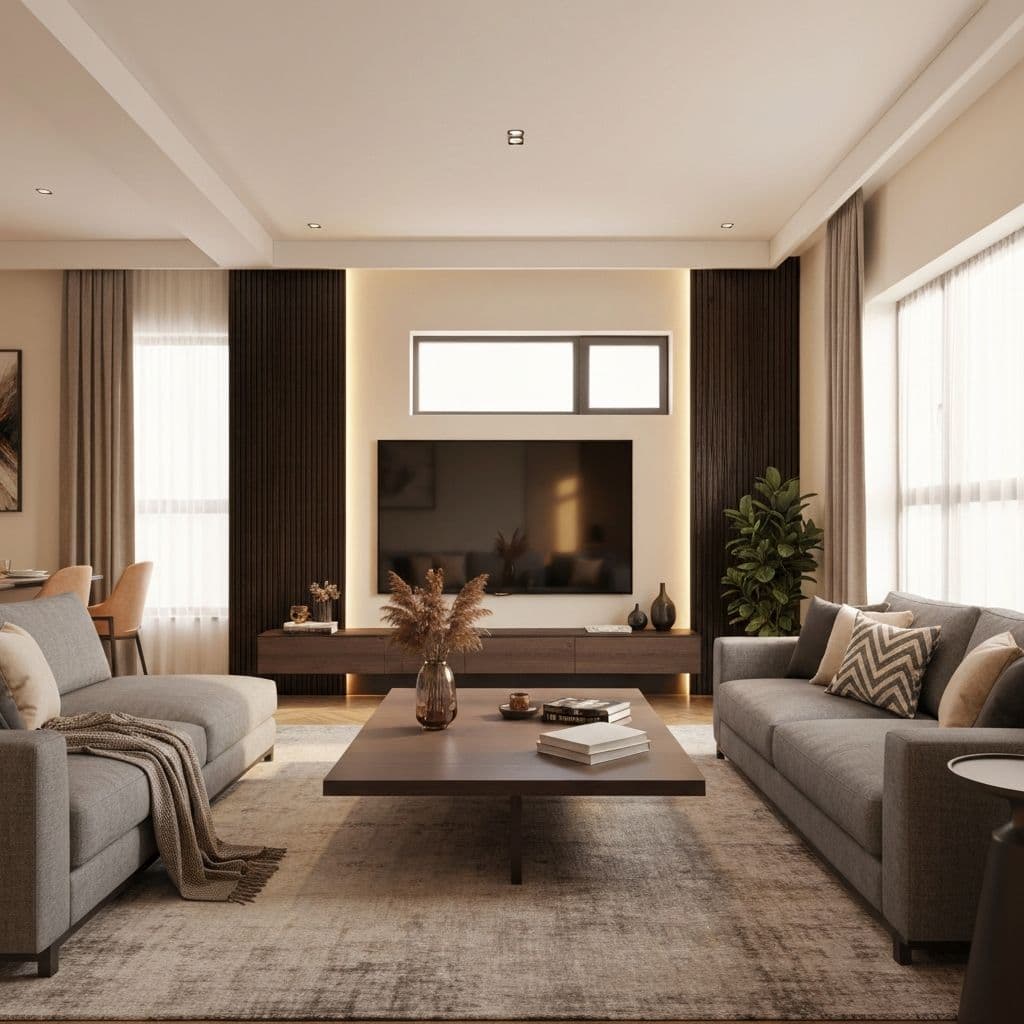
As we move further into 2026, several design trends are emerging that reflect our evolving relationship with space, technology, and nature. Whether you're planning a renovation or designing from scratch, these trends offer inspiration for creating spaces that feel both current and timeless.
1. Biophilic Design Goes Mainstream
The integration of natural elements into interior spaces has moved from trend to standard practice. This year, we're seeing:
- Living walls as focal points in residential spaces
- Natural material palettes emphasizing wood, stone, and organic textiles
- Indoor water features for both aesthetics and ambient sound
- Strategic natural light optimization through architectural planning
The science is clear: connection to nature improves well-being, and designers are responding with spaces that blur the boundary between inside and outside.
2. Warm Minimalism
The stark white minimalism of previous years has softened into what designers are calling "warm minimalism":
- Earth tones replace pure whites
- Curved forms counterbalance sharp edges
- Texture-rich surfaces add visual interest without clutter
- Quality over quantity remains central, but with added warmth
This evolution retains minimalism's clarity while creating spaces that feel inviting rather than austere.
3. Multifunctional Spaces
The legacy of remote work continues to influence design:
- Concealed home offices that disappear when not in use
- Modular furniture that transforms throughout the day
- Acoustic solutions for focus areas within open plans
- Wellness zones integrated into living spaces
Flexibility isn't just convenient—it's essential for spaces that must serve multiple purposes.
4. Sustainable Materials and Practices
Sustainability has evolved from a checkbox to a core design principle:
- Reclaimed and upcycled materials as premium choices
- Local sourcing to reduce transportation impact
- Longevity-focused design that resists trend cycles
- Healthy material choices without off-gassing or toxins
Clients increasingly expect sustainable options, and designers are delivering without sacrificing aesthetics.
5. Artisanal and Handcrafted Elements
As a counterpoint to digital saturation:
- Handmade ceramics and textiles add personality
- Custom millwork creates unique storage solutions
- Local artisan collaborations support communities
- Imperfect beauty (wabi-sabi influences) embraces authenticity
These elements provide the human touch that mass-produced items cannot replicate.
6. Tech-Integrated Wellness
Smart home technology is maturing beyond convenience:
- Circadian lighting systems that support natural rhythms
- Air quality monitoring and purification integration
- Acoustic management for better sleep and focus
- Hidden integration that keeps technology invisible when not needed
The goal is technology that enhances well-being without dominating the visual landscape.
Bringing Trends to Life
The best designs don't chase every trend but thoughtfully incorporate elements that resonate with the space's purpose and the inhabitants' values.
For empty listings, the most useful trends are the ones that help buyers read the room quickly. See how Planua stages empty apartments for listing-ready presentation.
When visualizing how these trends might work in your own projects, tools like Planua can help:
- Explore different style directions quickly
- Test material and color combinations
- Visualize natural light at different times of day
- Compare traditional versus contemporary approaches
Ready to visualize your next design project? Get started with Planua and bring your ideas to life in seconds.
Try It On A Real Listing
Ready to turn empty room photos into listing-ready interiors?
Use this topic on a real listing and see how Planua fits your virtual staging workflow.
Keep Reading
Related virtual staging guides
virtual apartment staging ideas
Virtual Apartment Staging Ideas That Actually Help Empty Listings
Practical virtual apartment staging ideas for empty listings, with tips on room purpose, buyer fit, and believable styling choices that support faster marketing.
virtual staging for rental listings
Virtual Staging for Rental Listings: When It Helps Most
A practical guide to virtual staging for rental listings, including when it helps, which rooms to stage first, and how to keep the result believable for faster leasing marketing.
how to stage empty apartment photos
How to Stage Empty Apartment Photos for Better Listings
A practical workflow for staging empty apartment photos and vacant units so buyers can understand layout, scale, and lifestyle faster online.