How to Fix Empty Room Listing Photos Without Making Them Misleading
A practical guide to improving empty room listing photos so buyers can understand layout, scale, and lifestyle potential without making the marketing feel misleading.
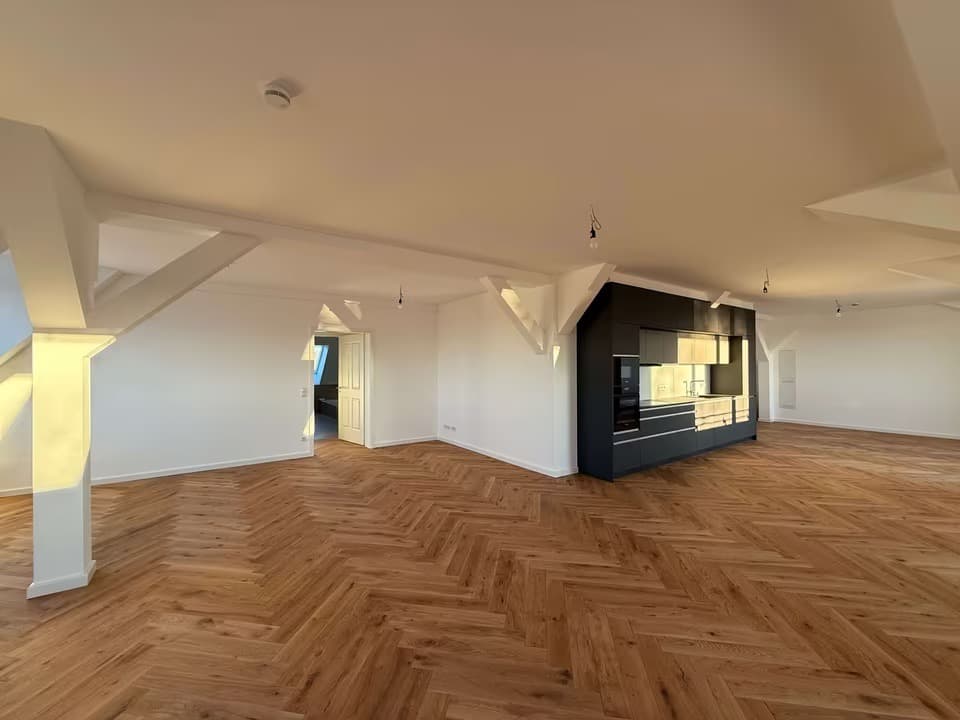
Empty room listing photos often fail for a simple reason: they make the property harder to interpret than it really is.
The room may feel completely understandable in person, but online it can look smaller, flatter, and harder to imagine living in.
Quick Answer
To improve empty room listing photos:
- start with the clearest source images you have,
- make the room purpose obvious,
- use believable virtual staging if needed,
- and avoid edits that overstate the property.
The best result is usually a listing image that feels clearer and warmer, not dramatically different.
In This Guide
- Why empty rooms underperform online
- Which fixes matter most
- When virtual staging helps
- What to avoid if you want trust
Empty Rooms Remove Context
When furniture disappears, buyers lose:
- scale cues,
- circulation cues,
- and emotional signals about how the room could be used.
That is why empty room listing photos often feel weaker online than during an in-person viewing.
Start With the Best Framing First
Before any staging decision, improve the source photo quality as much as possible.
Strong starting images usually have:
- visible corners and floor lines,
- balanced light,
- minimal obstruction,
- and an angle that helps the room read naturally.
Good staging works better when the base photo already explains the room.
Clarify the Room's Purpose
One of the most effective fixes is simply making the room's likely use obvious.
That might mean helping the image read as:
- a real living room,
- a calm primary bedroom,
- or a flexible second room with clear purpose.
When the room purpose is clear, the listing feels easier to trust and easier to remember.
Use Virtual Staging When Imagination Is the Problem
Virtual staging helps most when the room is empty and buyers need help understanding:
- size,
- layout,
- furnishing possibilities,
- and how the apartment might feel once lived in.
Used well, it solves a communication problem rather than just a design problem.
Do Not Make the Listing Feel Less Honest
The common mistake is trying to make the room look dramatically better than reality.
Avoid:
- changing permanent finishes,
- hiding flaws or damage,
- making the room feel bigger than it is,
- or styling far above the property's actual tier.
That is where trust starts to break.
A Better Review Standard
Before you publish improved empty room listing photos, ask:
- Is the room easier to understand now?
- Does the image still feel like the real property?
- Would a buyer feel misled when seeing the room in person?
If the answer is no, the image is probably doing its job.
The Practical Takeaway
The best fix for empty room listing photos is not maximum decoration. It is better clarity, better room reading, and more believable presentation.
If you want a workflow built around that, explore Planua's virtual staging software, read this guide to staging software for real estate listings, and browse apartment-specific staging ideas here.
Try It On A Real Listing
Ready to turn empty room photos into listing-ready interiors?
Use this topic on a real listing and see how Planua fits your virtual staging workflow.
Keep Reading
Related virtual staging guides
how to stage empty apartment photos
How to Stage Empty Apartment Photos for Better Listings
A practical workflow for staging empty apartment photos and vacant units so buyers can understand layout, scale, and lifestyle faster online.
virtual staging for real estate photos
Virtual Staging for Real Estate Photos: A Listing Workflow
A practical workflow for using virtual staging on real estate photos, from room selection and review to disclosure, team scale, and software fit.
California AB 723 virtual staging photos
California AB 723 and Virtual Staging Photos: A Checklist for Real Estate Agents
A practical California AB 723 checklist for real estate agents using virtual staging photos, including original-image access, disclosure, CRMLS steps, and review.